Facebook
 X
X
 Pinterest
 Copy Link
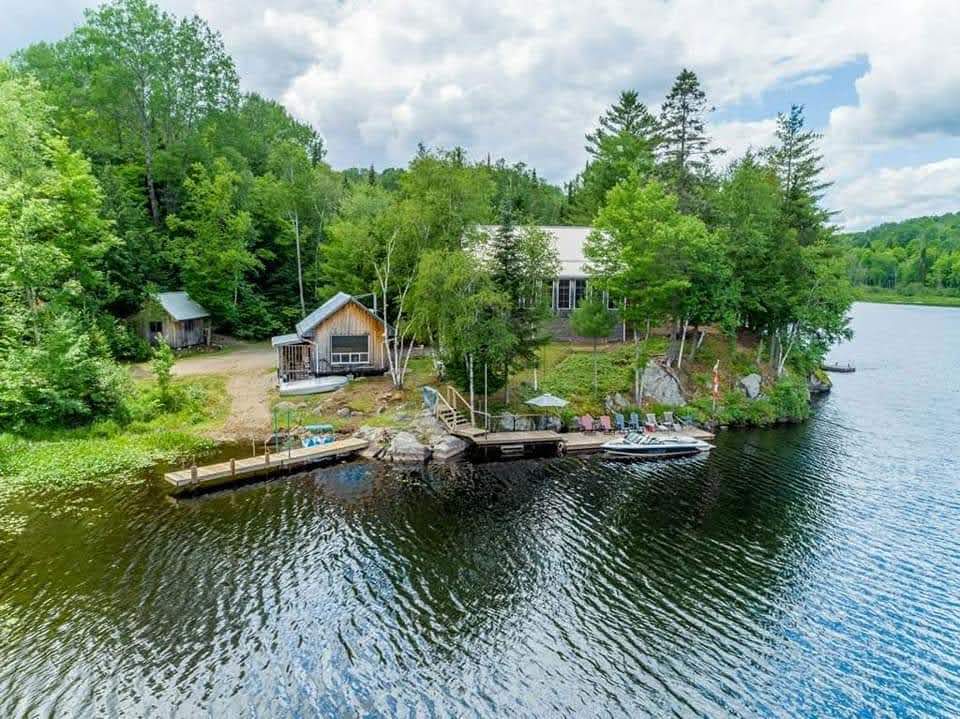
For many families, when you buy a waterfront cottage, it’s more than a property. Instead, it’s a place people want to go to for relaxation, to reconnect, and to create some lasting family memories. From morning coffee on the dock to evenings by the fire, cottage life offers a pace of life that many of us are craving for more than ever.
That said, buying a waterfront cottage is a big decision. While the idea is exciting, it can also feel overwhelming. To help, here are some important things to consider before making your move.
1. First, Think About How Your Family Will Use the Cottage
Before anything else, consider how you plan to use the property. For example, will it be a quiet weekend retreat, or a gathering place for family and friends? Some families enjoy peaceful escapes, while others want space for kids, grandkids, and guests to run and play. What type of memories do you envision creating?
Because every family is different, understanding your vision early will help guide your choices.
2. Next, Understand That Not All Waterfront Is the Same
Not all waterfront properties offer the same experience. For instance, lakes and rivers provide very different lifestyles. You will want to consider water depth, shoreline type, sun exposure, and boat traffic as all these matter. If you are looking to make improvements to a shoreline on the Trent Severn Waterways, it’s best to check out the Parks Canada web site for more useful information on permits.
First decide what is important to you and then choose a setting that matches how you want to spend your time at the cottage.
3. Also Consider Seasonal vs. Year-Round Use
Some cottages are designed for three-season living and will need to be closed down and winterized before winter while others can be enjoyed all year. Therefore, think about access, heating, insulation, and winter road maintenance. If you are curious about a particular properties zoning information check out County of Peterborough, Hastings County, or Kawartha Lakes for more information.
Even if you don’t plan to use the cottage year-round now, flexibility in the future can be a real advantage when looking to sell.
4. In Addition, Be Aware of Maintenance and Ownership Responsibilities
Buying a Waterfront cottage comes with added responsibilities. For example, necessary permits, septic systems, maintenance & updates, water sources, shoreline care, docks, and insurance all are considerations before you buy a waterfront. You can find more valuable information from the Otonabee Conservation, Crowe Valley or the Lower Trent web sites. Individual Townships handle Septic inspections and permits for properties in Hastings and Peterborough County and the City of the Kawartha Lakes site will provide additional valuable information.
When you understand these details upfront, you can move forward with confidence and enjoy the property without surprises.
5. Most Importantly, Think Long-Term
A family cottage often becomes part of a family’s story. Over time, needs will change, therefore, it’s worth asking whether the layout will continue to support comfortable living as your needs evolve. Questions to consider before you purchase would be: Can you build onto the existing cottage, is the current septic large enough to handle an addition, age of septic, will the property size allow additional structures?
In the long run, having a professional waterfront REALTOR® on your team will make buying a waterfront property easier.
6. Finally, Work With a Waterfront Specialist
Waterfront real estate is different. Zoning rules, shoreline regulations, and environmental factors all play a role. Because of this, working with a professional who understands waterfront properties helps ensure informed decisions are made every step of the way.
Final Thought
In the end, a waterfront cottage property isn’t just a place to get away. Rather, it’s a place to come together. With thoughtful planning and the right guidance, it can become a place filled with connection, comfort, and memories for years to come.